


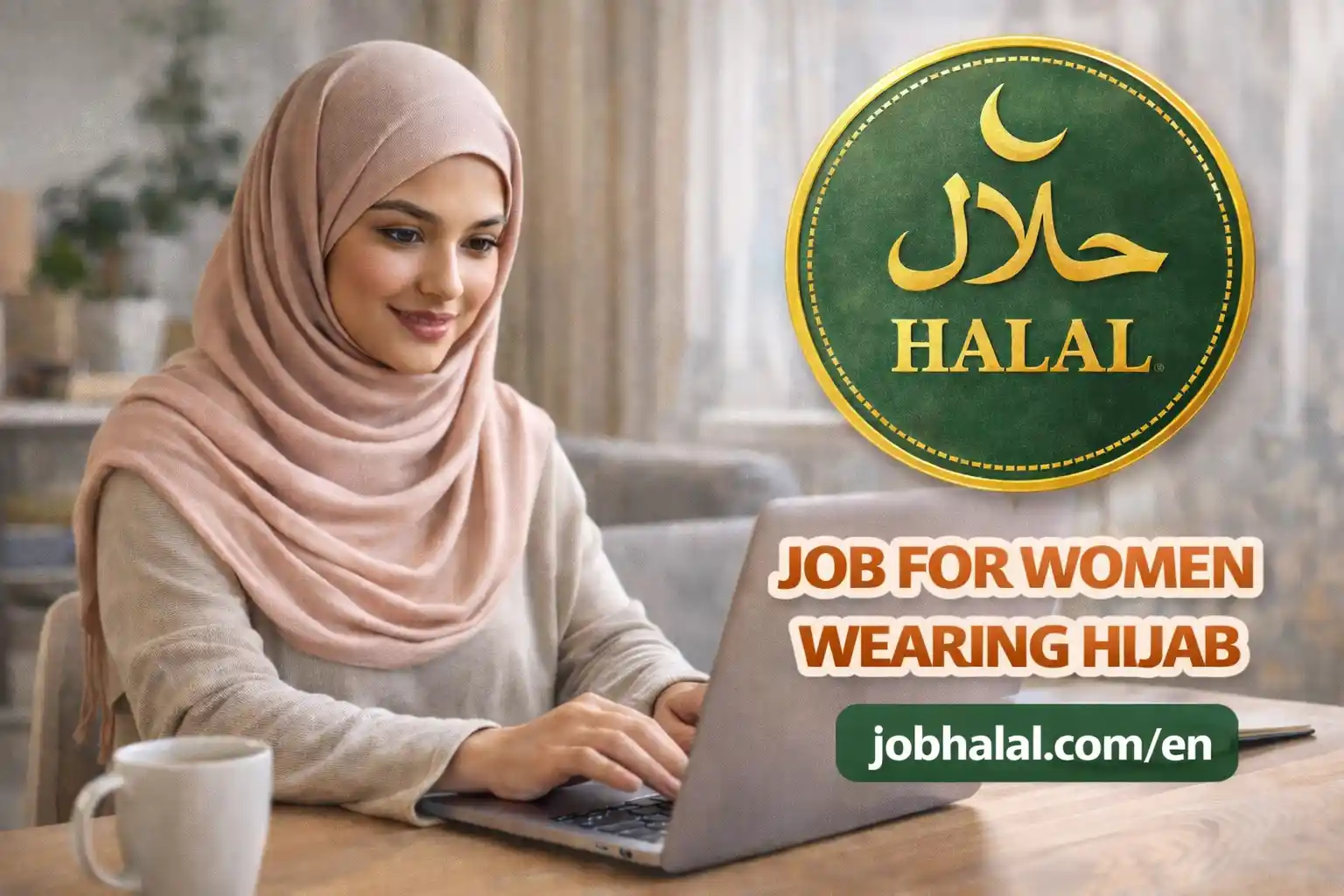
Employment for Women Wearing Hijab
Employment for women wearing hijab means access to work, career growth and fair treatment while keeping a visible religious dress practice. The issue combines professional skills, workplace inclusion, dress codes, legal rights, employer attitudes and the search for roles where dignity and competence are respected.
How to Access Work With Hijab
Accessing work while wearing hijab starts with targeting employers that value ability more than appearance. A candidate should prepare a strong CV, choose suitable sectors, understand dress-code policies, practise interview answers and know when a workplace culture may create unnecessary pressure.
What Hijab at Work Represents
Hijab at work can represent faith, identity, modesty and personal discipline, but it should not be treated as a sign of lower competence. Employers should assess qualifications, experience, communication, reliability and performance instead of making assumptions about a woman’s ambition or ability.
Why Hijab Employment Matters
Employment for hijab-wearing women matters because income supports independence, family stability, education, entrepreneurship and social participation. When qualified women face barriers because of appearance, employers lose talent, teams lose diversity and society wastes skills that could benefit many sectors and local economies.
Career Planning for Hijab-Wearing Women
Career planning helps a hijab-wearing woman choose roles where skills, values and workplace expectations align. The candidate should identify preferred industries, acceptable uniforms, prayer needs, customer-facing duties, travel requirements, safety issues and long-term development goals before applying widely or changing direction.
Choosing Suitable Job Sectors
Many sectors can offer suitable employment, including healthcare, education, technology, administration, public service, accounting, engineering, design, legal support, logistics, research, customer service and entrepreneurship. The key is not the sector name alone, but the daily duties and workplace culture inside.
Sectors Requiring Careful Review
Some roles require careful review when they involve uniforms, strict appearance rules, safety equipment, alcohol service, nightlife, gambling, adult entertainment, aggressive sales or customer prejudice. A woman wearing hijab should examine whether the duties conflict with faith, safety or personal dignity.
Remote Work Opportunities
Remote work can expand opportunities for women wearing hijab by reducing appearance bias and increasing flexibility. Jobs in writing, design, software, tutoring, marketing, virtual assistance, translation, bookkeeping and customer support may allow professional growth while keeping religious comfort and work-life balance.
CV for Women Wearing Hijab
A CV should focus on competence, not appearance. It should highlight qualifications, achievements, technical skills, languages, customer results, leadership, certificates and measurable outcomes. The goal is to make the employer see professional value before thinking about assumptions linked to religious dress.
Professional Profile and Photo
In countries where a CV photo is optional, a hijab-wearing woman can choose whether including one helps or hurts. A professional photograph may show confidence, but skills and evidence should remain central, especially when applying to employers that claim merit-based recruitment.
Cover Letter Strategy
The cover letter should connect the candidate’s skills to the employer’s needs. It does not need to explain the hijab unless relevant to accommodation, uniform or safety. A confident tone helps show that religious dress and professional excellence can exist together.
Interview Preparation
Interview preparation is especially important when the candidate expects questions about dress code, team culture or customer interaction. She can practise calm answers that redirect the conversation toward performance, reliability, communication and the value she can bring to the role.
Answering Dress Code Questions
If an employer asks about dress code, the candidate can explain that she dresses professionally while wearing hijab. She may mention flexibility with colours, fabric or company uniform, provided the requirement does not force removal or create religious discomfort during normal work.
Workplace Uniforms and Hijab
Uniform policies can sometimes be adapted with matching colours, safe fabric, branded scarves or approved styles. Practical solutions often exist in healthcare, retail, aviation, hospitality, security and public-facing roles when employers focus on safety, consistency and inclusion rather than exclusion.
Health and Safety Considerations
Health and safety can be a real workplace issue, especially around machinery, laboratories, kitchens, construction sites or emergency services. The solution should be practical risk management, such as secure wrapping, fire-safe materials or fitted designs, not automatic rejection of the candidate.
Customer-Facing Jobs
Customer-facing jobs can be suitable for women wearing hijab when the employer supports respectful service standards. Sales, reception, banking, clinics, airlines, hotels and public offices need communication skills, patience and professionalism more than a narrow image of appearance or branding.
Handling Bias in Interviews
Bias in interviews may appear through unusual questions, repeated focus on appearance or assumptions about availability. The candidate should stay professional, answer briefly, document worrying behaviour and decide whether the organisation deserves her talent after observing how she was treated.
Legal Awareness
Legal protections differ by country, but many systems recognise religion, belief or sex as protected grounds in employment. A hijab-wearing woman should understand local rules on recruitment, dress codes, harassment, reasonable accommodation and complaint routes before a serious dispute happens.
Employer Responsibilities
Employers should design recruitment and dress policies around genuine business needs. A neutral rule can still disadvantage religious workers if it is unnecessary or applied without flexibility, so managers should consider proportionality, safety, customer service and equal opportunity before refusing accommodation.
Discrimination Warning Signs
Warning signs include being rejected after mentioning hijab, receiving comments about customers not accepting Muslims, being told to remove religious dress without clear safety reason or facing different standards from other employees. Such patterns should be recorded carefully with dates.
Documenting Workplace Problems
Documentation helps when dealing with discrimination or unfair treatment. The worker should keep job adverts, emails, interview notes, messages, policy documents, witness details and examples of different treatment, because clear evidence is stronger than memory during internal or external complaints.
Internal Complaint Process
When a problem arises, the first step may be an internal conversation with a manager or human resources. The worker should explain the issue calmly, propose reasonable solutions and ask for written confirmation, while keeping copies of all relevant communication.
Seeking External Advice
External advice may be necessary if the employer refuses fair treatment or the situation becomes hostile. Advice can come from equality bodies, unions, lawyers, community organisations, employment advisers or professional associations, depending on the country and the seriousness of the case.
Confidence and Professional Presence
Confidence matters because some candidates begin interviews expecting rejection. A woman wearing hijab should present herself as a professional first, with strong preparation, clear examples and calm body language. The hijab should not reduce her sense of authority or ambition.
Networking for Better Opportunities
Networking can help hijab-wearing women find employers with inclusive cultures. Professional groups, alumni networks, Muslim business associations, women’s career circles, LinkedIn, community events and referrals can reveal opportunities that may not appear clearly in public job advertisements or formal searches.
Mentorship and Role Models
Mentorship is powerful because younger women can learn from professionals who already navigate hijab in the workplace. Mentors can advise on interviews, difficult conversations, sector choices, promotion strategies and how to remain confident when facing stereotypes, barriers or subtle exclusion.
Entrepreneurship as an Option
Entrepreneurship can give women wearing hijab more control over clients, schedule, dress and workplace values. Possible routes include tutoring, consulting, halal food, fashion, e-commerce, digital services, childcare, beauty services, translation, content creation and professional freelancing from home or local offices.
Public Sector Employment
Public sector employment may offer structured hiring, transparent pay scales and formal equality procedures in many countries. Roles in administration, education, healthcare, libraries, social services and local government can suit women seeking stability, professionalism and clearer complaint mechanisms at work.
Private Sector Employment
The private sector can offer strong opportunities when companies value diversity and performance. Before accepting, candidates should examine leadership attitudes, dress rules, promotion paths, flexible working, maternity policies, prayer space and whether other visibly religious employees seem respected in practice.
Healthcare Jobs With Hijab
Healthcare jobs can be suitable for hijab-wearing women when hygiene and safety are addressed properly. Nurses, doctors, pharmacists, carers, therapists and administrators may use approved uniforms, disposable sleeves, secure scarves or professional dress solutions depending on clinical requirements and local rules.
Education Jobs With Hijab
Education offers opportunities in teaching, tutoring, school administration, academic support and online learning. A woman wearing hijab can bring subject expertise, discipline and cultural understanding, but should review school policies, parent interactions and local rules around religious symbols before acceptance.
Technology and Office Careers
Technology and office careers can be especially promising because performance is often measured through projects, systems, analysis and delivery. Software development, data analysis, cybersecurity, finance operations, project management and administration can allow career growth with fewer dress-related obstacles in many workplaces.
Retail and Hospitality
Retail and hospitality roles vary widely. Some employers welcome diverse staff and adapt uniforms, while others may be image-driven or involve alcohol service. Applicants should ask about exact duties, uniform expectations, shift times and customer environment before accepting a position.
Promotion and Career Growth
Getting hired is only the first step. Hijab-wearing women should also seek promotion, training, leadership opportunities and fair performance reviews. Employers should not assume modest dress means limited ambition, weak communication or lack of suitability for visible leadership roles or clients.
Balancing Faith and Professionalism
Balancing faith and professionalism means showing excellent work habits while maintaining religious boundaries. Punctuality, quality, teamwork, respectful communication and reliability strengthen credibility, while clear personal limits help prevent gradual pressure to compromise values for acceptance, comfort or promotion in difficult environments.
Prayer and Workplace Flexibility
Prayer needs can often be managed through breaks, lunch periods or quiet spaces without disrupting work. A candidate may not need to raise this immediately, but once employed, respectful communication and practical timing can help avoid misunderstandings with supervisors and colleagues.
Dealing With Harassment
Harassment may include insults, jokes, touching the scarf, religious comments, exclusion or pressure to remove hijab. A worker should not normalise such behaviour. Reporting, documentation and support are important, especially when the conduct affects confidence, safety or performance at work.
Building Long-Term Employability
Long-term employability depends on skills that remain valuable across employers. Language ability, digital skills, certificates, customer service, leadership, technical knowledge and professional writing help hijab-wearing women compete strongly, even in markets where visible religious identity may create bias or hesitation.
Checklist Before Accepting a Job
Before accepting a job, the candidate should check duties, uniform rules, management style, contract terms, working hours, prayer flexibility, safety requirements and promotion prospects. A good offer respects both professional contribution and personal dignity without forcing unnecessary religious compromise later.
Final Guide to Employment With Hijab
Employment for women wearing hijab should be built on ability, fairness and respectful workplace policies. The strongest path combines skills, legal awareness, careful employer selection, interview confidence, good documentation and the belief that modest dress can stand beside professional success.